
Summary:
Deyang Rata Technology Co., Ltd. introduces a 125kW 600Vac AC resistive load bank designed for industrial power testing applications, including energy storage system validation and PCS performance evaluation under controlled load conditions.
Deyang, China — April 2026
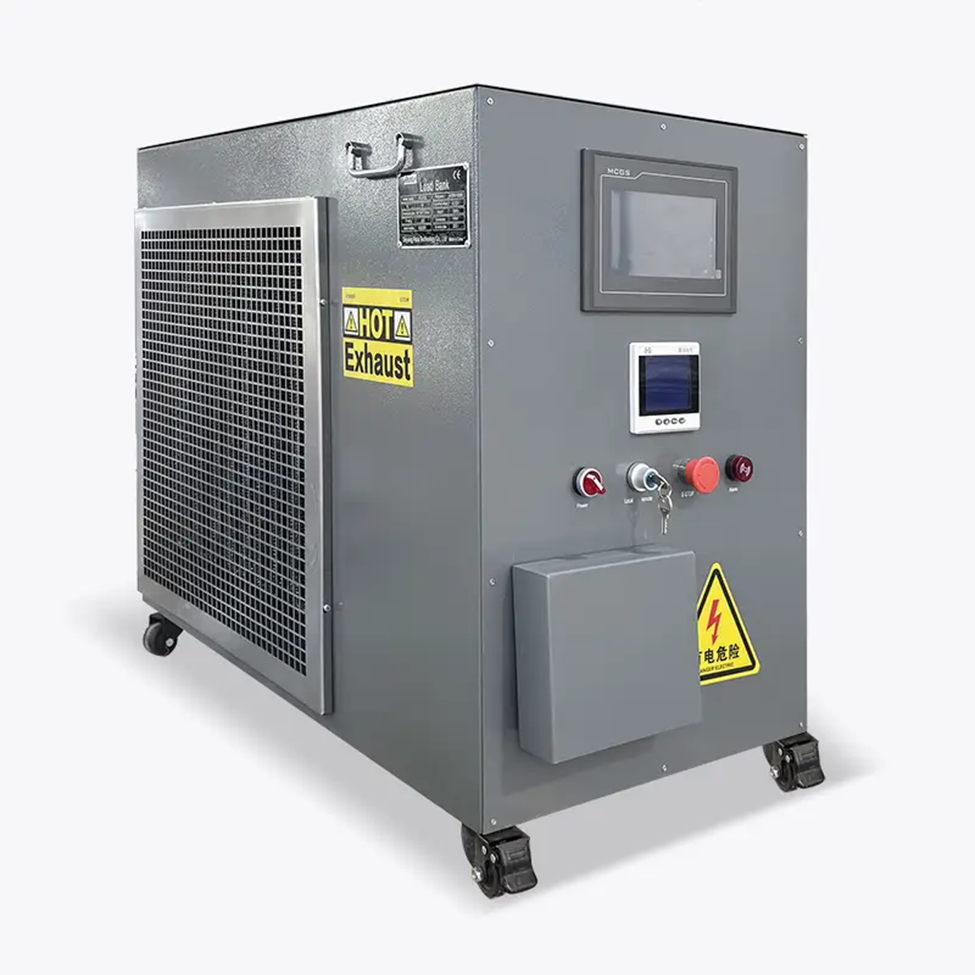
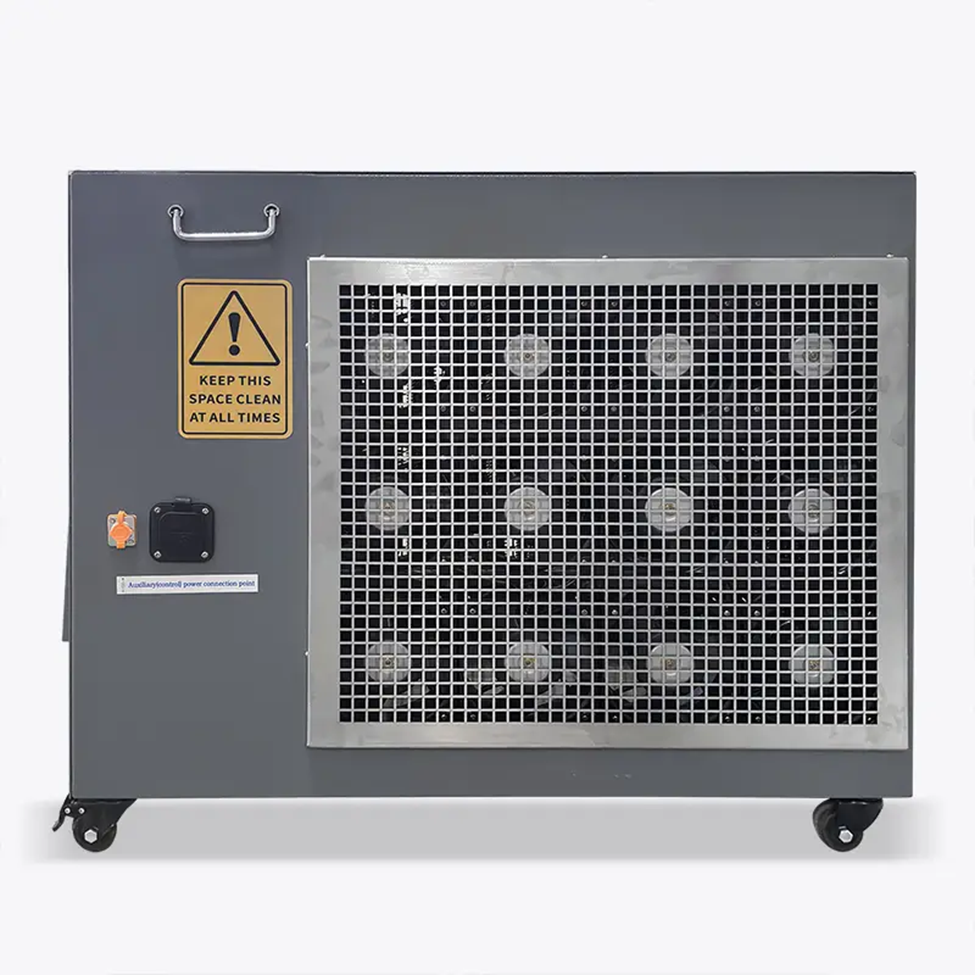
As a leading load bank equipment manufacturer, Deyang Rata Technology Co., Ltd. has announced the development of a 125kW 600Vac AC resistive load bank intended for use in industrial electrical testing environments. The system is designed to support evaluation and validation processes for energy storage systems and Power Conversion Systems (PCS), where controlled electrical load simulation is required.
The equipment is positioned for applications in which energy storage batteries are integrated with grid-connected or industrial power systems. In such environments, load testing is used to verify system performance, stability, and response under defined electrical conditions.
Technical inquiries regarding the system may be directed to gongzhenhua@rata.top or via WhatsApp at +86-13890270038.
Application in Energy Storage System Testing
The load bank is intended for use in testing environments where energy storage systems and PCS units require controlled load simulation. PCS technology is widely used in modern power systems to regulate energy transfer between storage batteries and electrical grids.
In these systems, accurate load simulation is necessary to assess operational behavior during commissioning, maintenance, and performance validation stages. The load bank provides a resistive load environment that allows engineers to observe system response under controlled and repeatable conditions.
This type of testing is commonly used in industrial and utility-scale energy projects, particularly in environments where system reliability and stability are critical performance factors.
Electrical Configuration and Operating Design
The system is built on a three-phase four-wire architecture and operates at a rated voltage of 600Vac. It is designed for use in medium-voltage industrial testing applications where stable and consistent load behavior is required.
The resistive elements are manufactured using nickel-chromium (Ni-Cr) alloy materials, selected for their thermal resistance and operational stability. These components are capable of withstanding temperatures up to 800°C, enabling continuous operation under high-power conditions.
The load bank supports 1kW incremental load adjustment, allowing step-based control of electrical load levels. This feature enables gradual variation of test conditions and supports detailed analysis of system response under different operating scenarios.
Safety and Insulation Characteristics
The system incorporates insulation design features suitable for high-voltage testing environments. It provides insulation resistance greater than 20MΩ under 1000V DC conditions and passes insulation testing at 2000V AC for one minute.
These parameters are used to evaluate electrical isolation performance and ensure operational stability during high-voltage testing procedures. The system also includes a 125V NEMA 5-15P auxiliary power interface, enabling simulation of auxiliary power conditions commonly found in industrial environments.
Mechanical Structure and Mobility
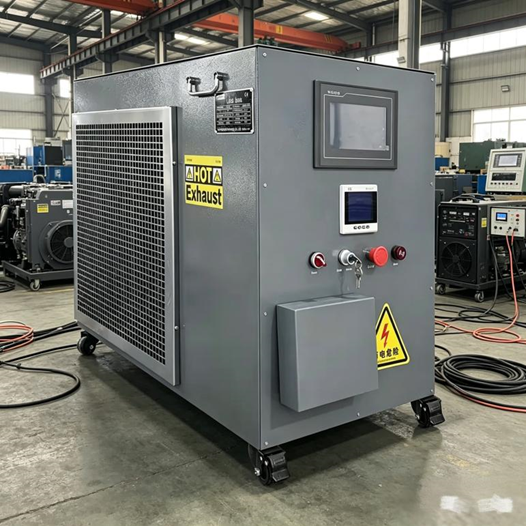
The load bank is designed as a portable system housed in an industrial enclosure equipped with caster wheels. This configuration allows movement within testing facilities without requiring permanent installation.
The internal architecture integrates load modules, control systems, and cooling components into a unified structure. The thermal management system is designed to support continuous operation during extended testing cycles involving high electrical loads.
Production and Quality Verification Process
Manufacturing of the system follows a multi-stage process that includes material selection, load module fabrication, control system assembly, circuit integration, and final enclosure construction.
Each unit undergoes functional testing to evaluate performance under different load conditions. Additional testing is conducted under extreme environmental conditions to assess system reliability, insulation strength, and operational stability.
These procedures are part of the standard verification process used prior to deployment in industrial applications.
Industry Context and Use Cases
Load banks are widely used in power generation, renewable energy systems, and energy storage infrastructure. As the adoption of energy storage technologies continues to expand, demand for reliable load simulation equipment has increased.
Resistive load banks are typically used during commissioning, maintenance, and system validation processes. They enable engineers to evaluate system performance, thermal behavior, and electrical stability under controlled load conditions.
Availability
The 125kW 600Vac AC resistive load bank is scheduled for production and release in March 2026 at Deyang Rata Technology Co., Ltd.’s manufacturing facility in Deyang, China.
Company Information
Company Name: Rata
Email: gongzhenhua@rata.top
WhatsApp: +86-13890270038
Contact Person: Gong Zhenhua
Address: Hongyu Road East, Jinshan Industrial Park, Luojiang District, Deyang, China
Website: https://www.cnloadbank.com/


